The complete guide
Brew temperatures: why 95°C is not the same as boiling
British kitchens boil water to 100°C and then make almost every hot drink at the wrong temperature. A machine with temperature settings is not fussiness; it is the cheapest available improvement to a cup of tea.
What each drink actually wants
| Drink | Temperature | Why |
|---|---|---|
| Green tea | 70–80°C | Boiling water scalds the leaf and pulls out bitter catechins |
| White tea | 75–85°C | Delicate; boiling flattens it entirely |
| Oolong | 85–95°C | Tolerates heat, needs it to open up |
| Black tea | 90–95°C | Needs heat for full extraction; 100°C is not required |
| Herbal and fruit | 95–100°C | Robust, wants the heat |
| Filter coffee | 90–96°C | The recognised brewing window |
| Instant coffee | 80–90°C | Above that it turns harsh |
| Baby formula | Per NHS guidance | Follow official guidance, not a machine preset |
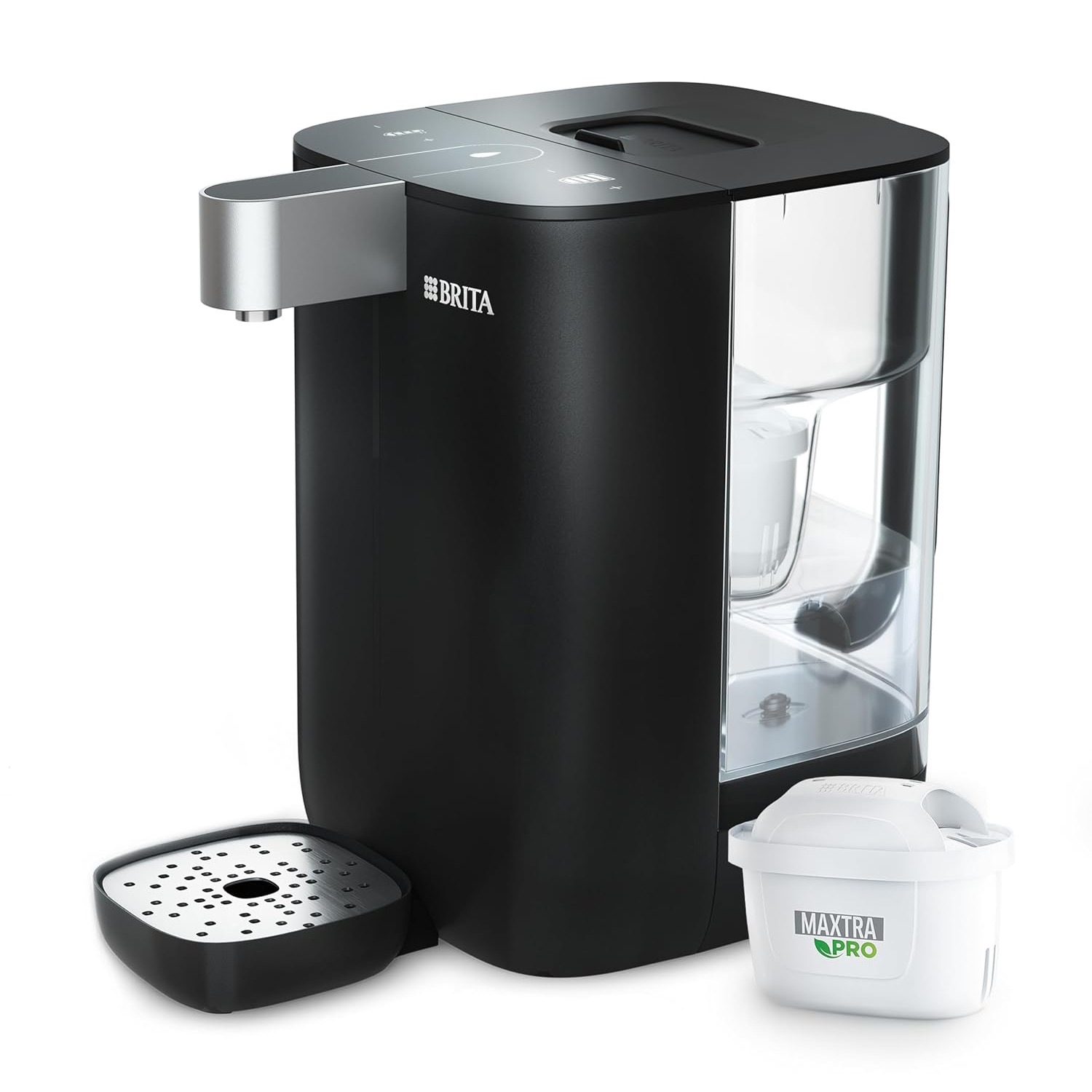
The dispenser's five settings — ambient, 45, 65, 85 and 95°C — cover the range that matters. 65°C sits neatly for green and white teas, 85°C for oolong and instant coffee, 95°C for black tea and filter coffee.
Why boiling then waiting is not the same
The usual workaround is to boil the kettle and wait. It works, roughly, but has two problems.
You cannot judge it. Water in an open kettle cools quickly at first and slowly afterwards, and how fast depends on the room, the kettle's material and how much is in it. "Wait a minute" is a guess.
Reboiling. Water repeatedly brought to a boil loses dissolved oxygen, and tea made with it tastes noticeably flatter. Anyone who has reboiled the same kettle three times over an afternoon has tasted this without necessarily identifying the cause.
Heating on demand avoids both. Each cup is freshly heated, once, to a known temperature.
Filtering matters more when it is hot
Two reasons to filter water you are about to heat:
Chlorine. It survives heating well enough to reach the cup, and it reacts with the aromatic compounds in tea and coffee. Removing it is the single biggest improvement most people can make to a home brew.
Limescale. Every heating cycle deposits calcium carbonate. In a machine with internal pipework that is a maintenance issue as much as a taste one, which is why this one uses an integrated MAXTRA PRO cartridge and runs a self-cleaning cycle.
The energy argument
A kettle boiled to make one mug typically heats two to three times the water needed, all the way to 100°C. This machine heats 250 ml to 85°C. You are heating less water, less far, and not reheating it later when it has gone cold in the kettle.
That is not a claim about pounds saved — it depends entirely on your tariff and your habits — but the physics is straightforward, and it is the reason on-demand heating exists.
If you want cold as well
This model does ambient and hot. For chilled water from the same machine, the Waterdrop CT01 covers 25 to 95°C including a cold setting, and the Aqua Optima Lumi is the chilled-only option at a lower price.