
The complete guide
How to choose a water filter in the UK
UK mains water is already treated to a high standard and tested continuously against regulatory limits. Nobody here is going to tell you it is unsafe, because it is not. People filter it for narrower reasons: they dislike the taste of chlorine, they are fed up descaling the kettle, or they want to reduce specific substances that treatment does not remove. Those are three different problems with three different answers.
First, find out what is actually in your water
Before spending anything, look up your water company's annual quality report for your postcode. It is free, it takes two minutes, and it lists hardness and individual substances against their limits. That one document tells you whether you live in a hard water area — which determines whether hardness reduction is worth paying for — far more reliably than a TDS meter, which only measures how much is dissolved rather than what.
The four filtration technologies, and what each one reaches
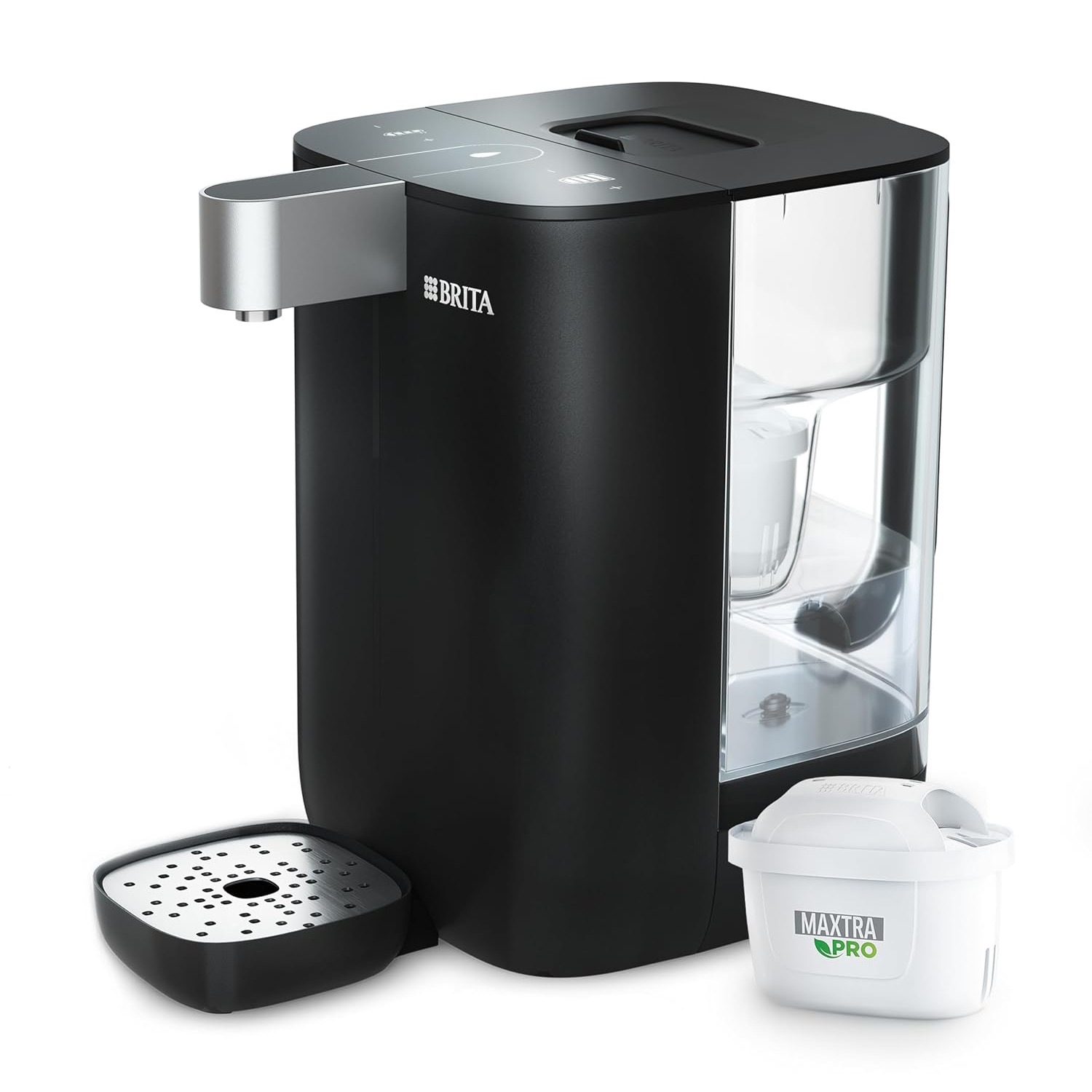
Activated carbon is what sits in almost every jug and dispenser. It works by adsorption: chlorine and organic compounds stick to an enormous internal surface area. It is excellent at taste and odour, good at some metals, and does essentially nothing about dissolved minerals. This is why a carbon filter will not stop limescale.
Ion exchange swaps calcium and magnesium ions in the water for other ions held on a resin bed. That is what softening means, and it is the only thing in the jug price bracket that genuinely reduces hardness. The trade-off is cartridge life: resin has a finite exchange capacity, so softening cartridges need changing more often.
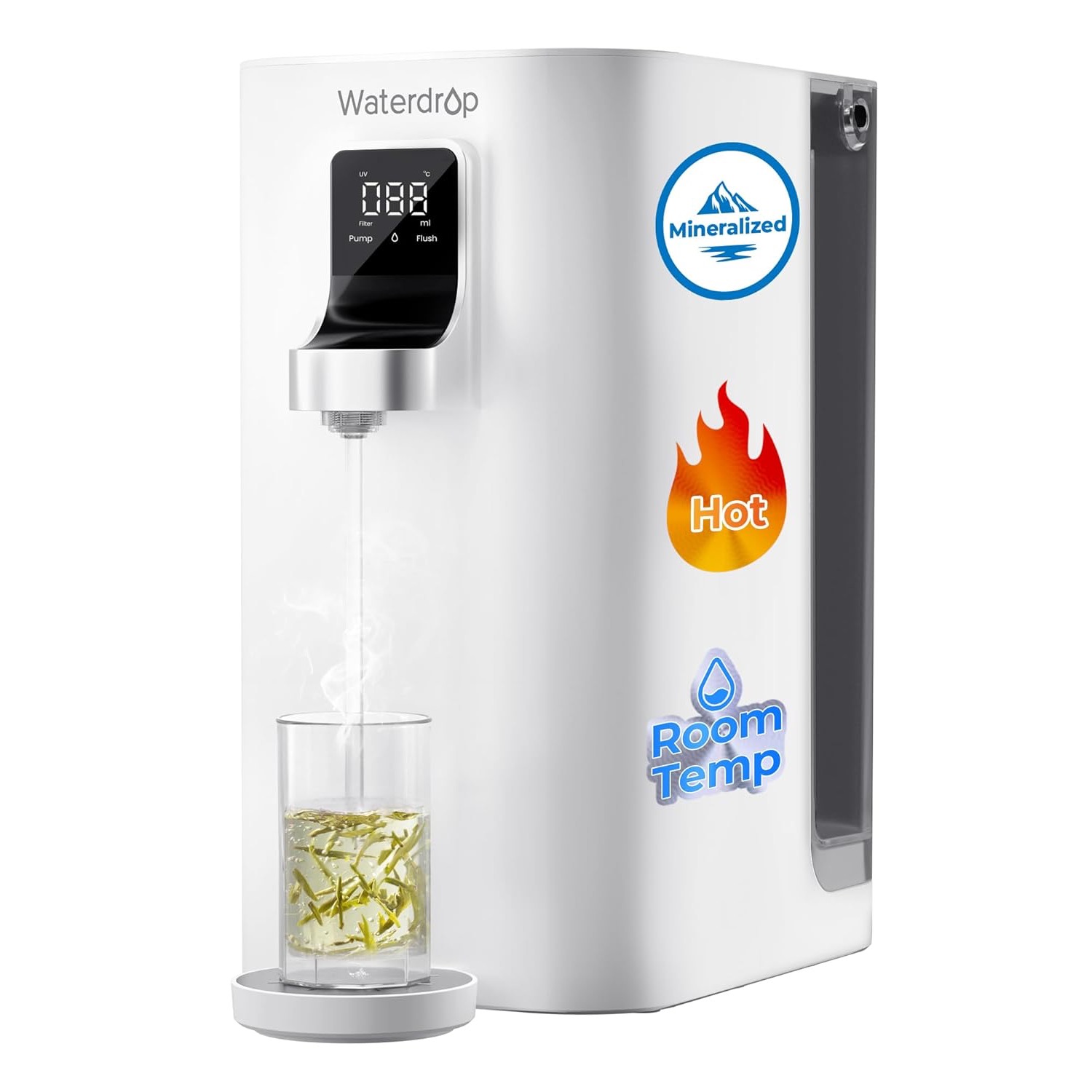
Reverse osmosis pushes water against a membrane with pores around 0.0001 microns. Almost nothing dissolved gets through, which is why it is the only technology here that reduces TDS, fluoride, arsenic, nitrate and PFAS compounds. It also strips the minerals that make water taste like water, so good systems remineralise afterwards.
UV treatment is not filtration at all — it treats the water with ultraviolet light rather than removing anything. It appears on some of the machines as a companion to filtration, which makes sense: taking chlorine out improves the taste but also removes what was suppressing biological growth in a stored tank.
Read certification carefully
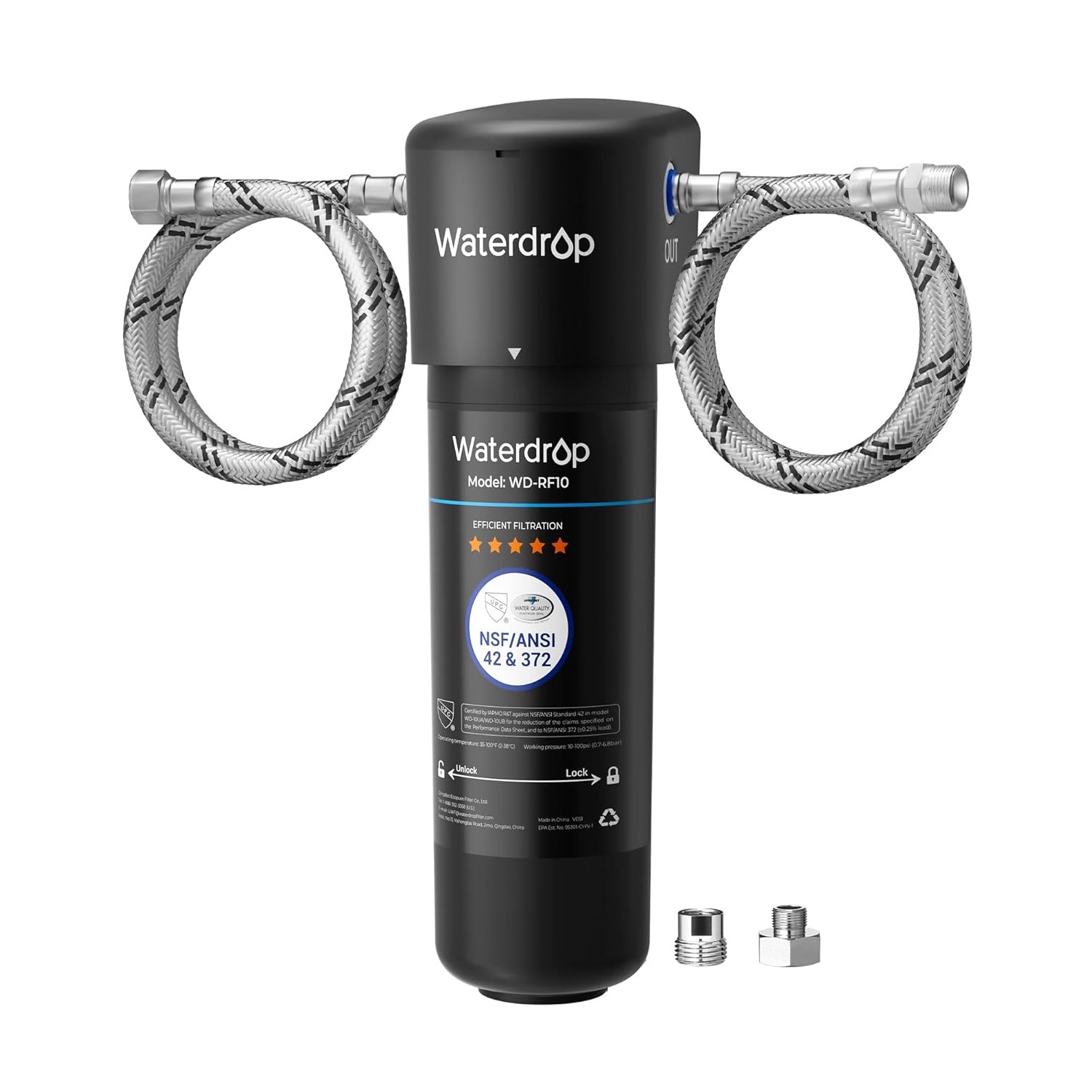
NSF/ANSI standards are the useful shorthand, and the numbers are not interchangeable. 42 covers aesthetic effects — chlorine, taste, odour. 53 covers health-related contaminants such as lead and mercury. 401 covers incidental compounds including pharmaceutical residues. 372 certifies that the product's own materials are lead-free. A filter certified to 42 alone has made a much smaller claim than one certified to all four, even though both can say "NSF certified" on the box.
Work out the running cost before you buy
The purchase price is the smaller number over any reasonable ownership period. What matters is cost per litre: the price of a replacement cartridge divided by the litres it is rated for. A £4 cartridge rated for 100 litres costs more per litre than a £10 cartridge rated for 757. Every product page on this site publishes the real rated life so you can run that calculation, and we would rather you bought the cheaper machine with the better cartridge economics than the other way round.
Match the format to your kitchen, honestly
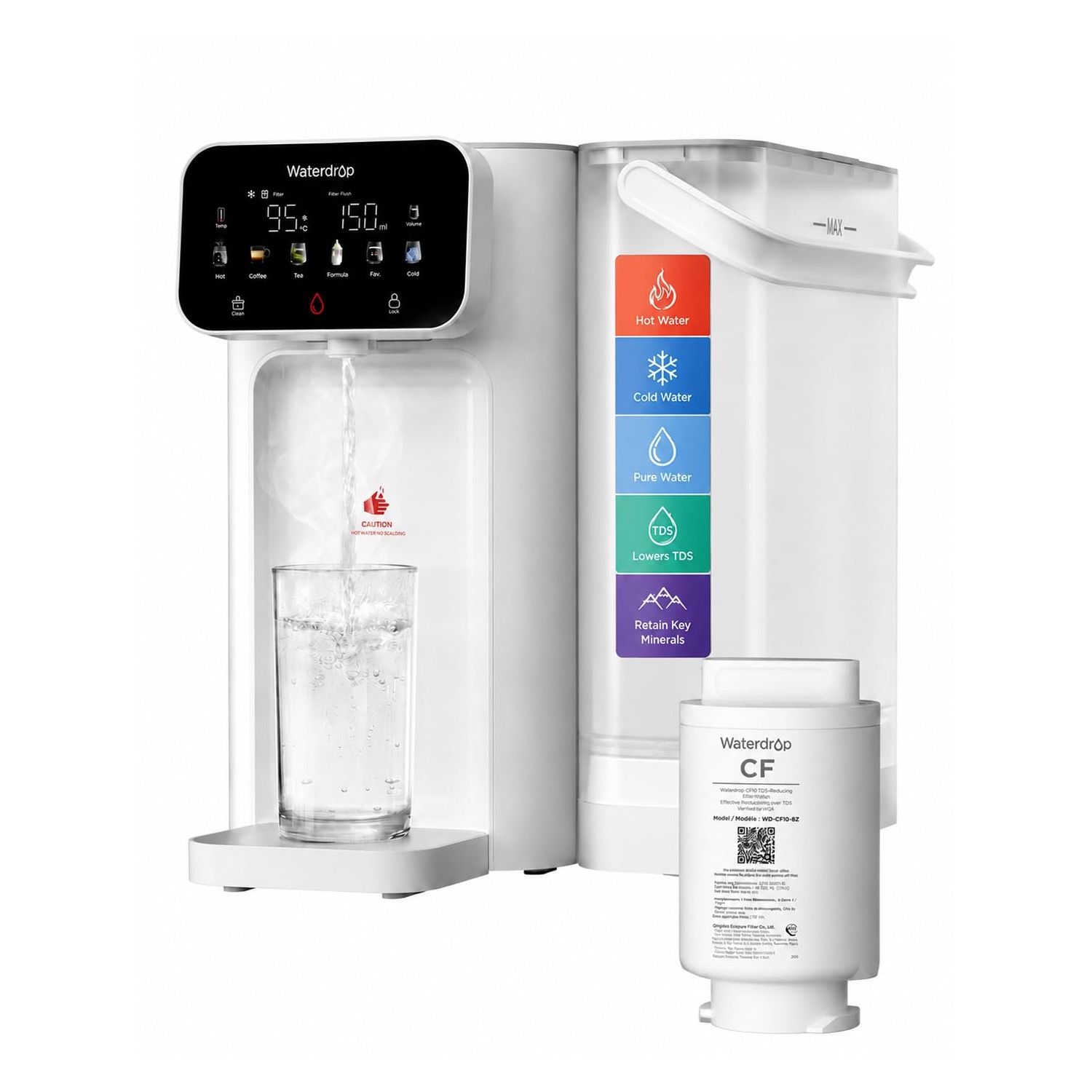
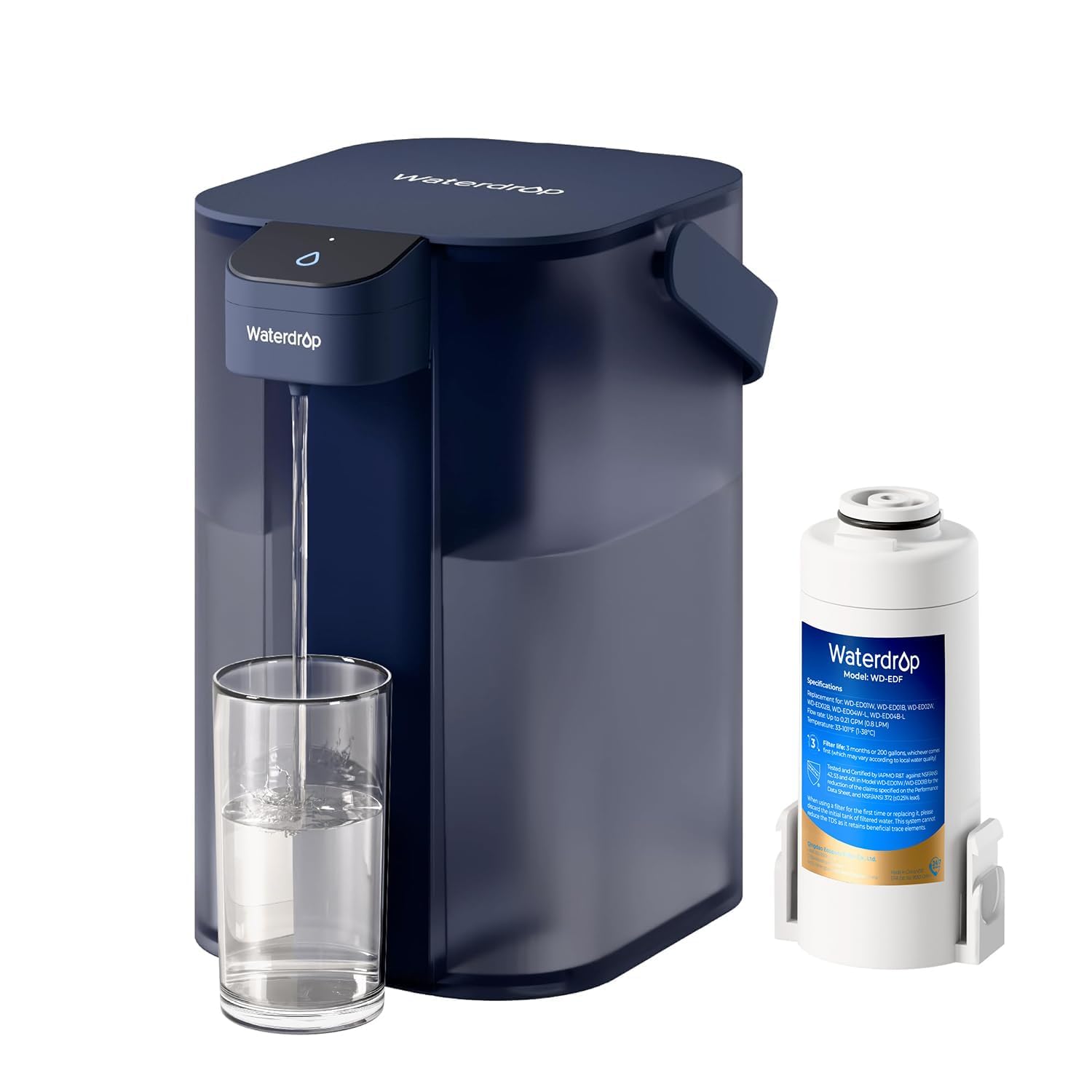
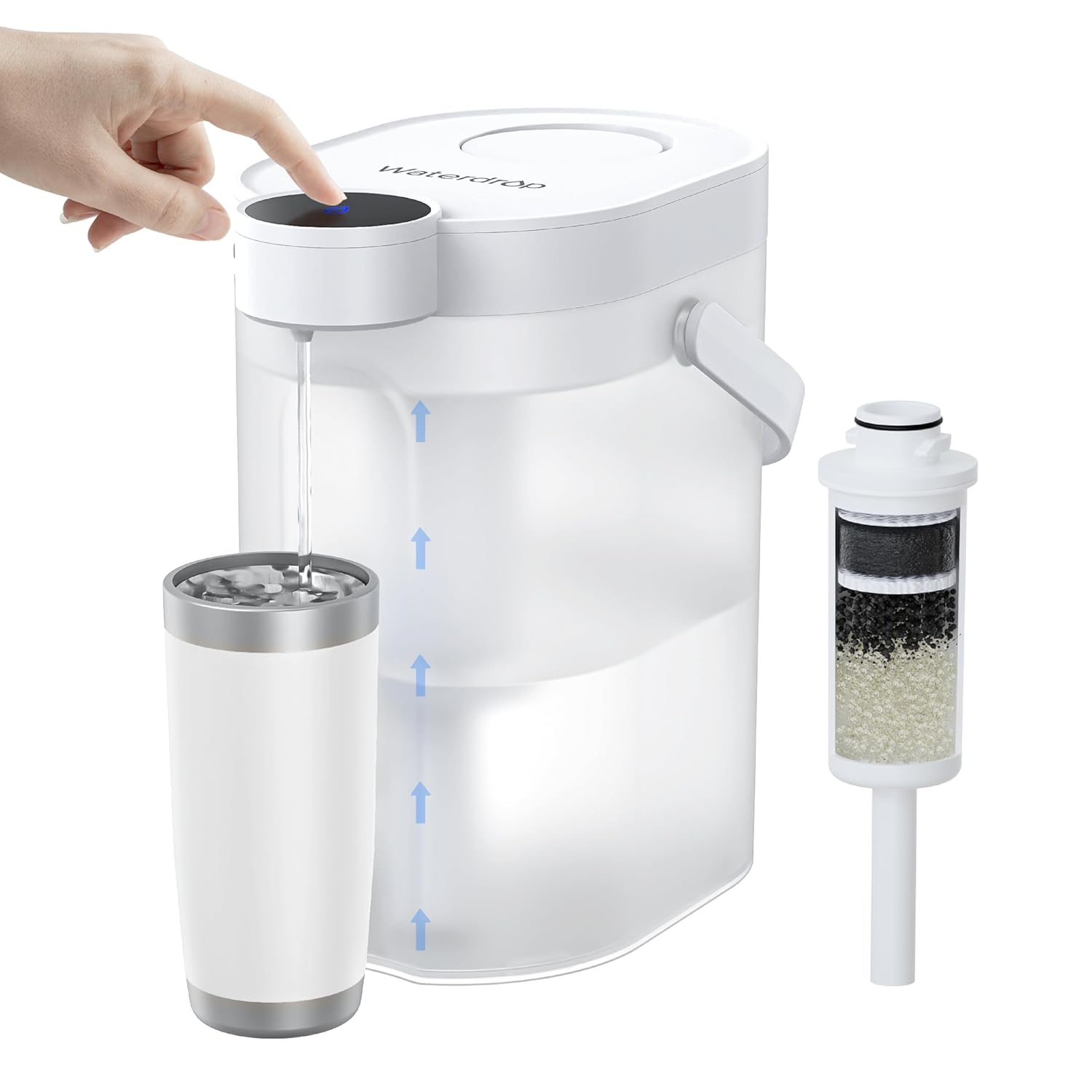
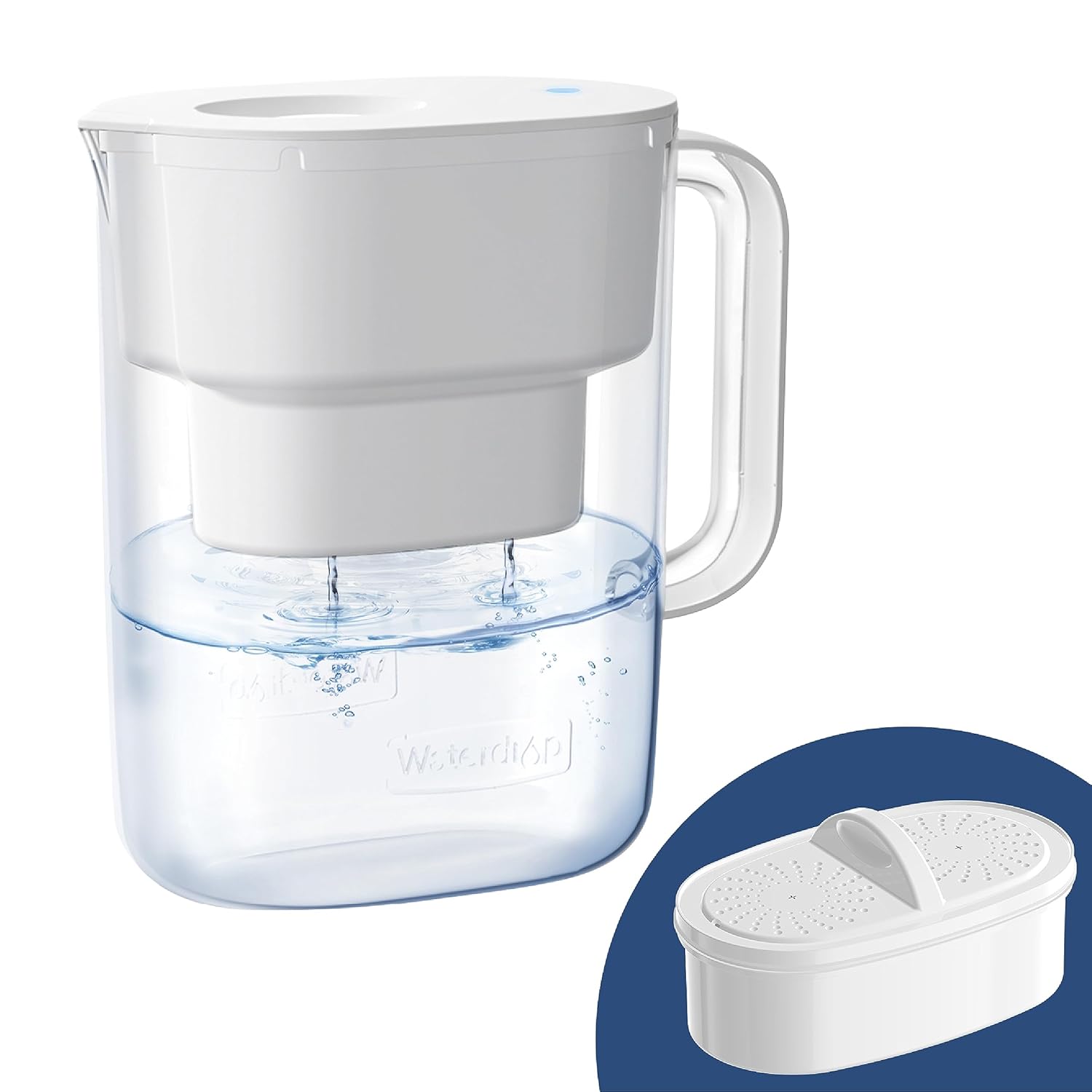
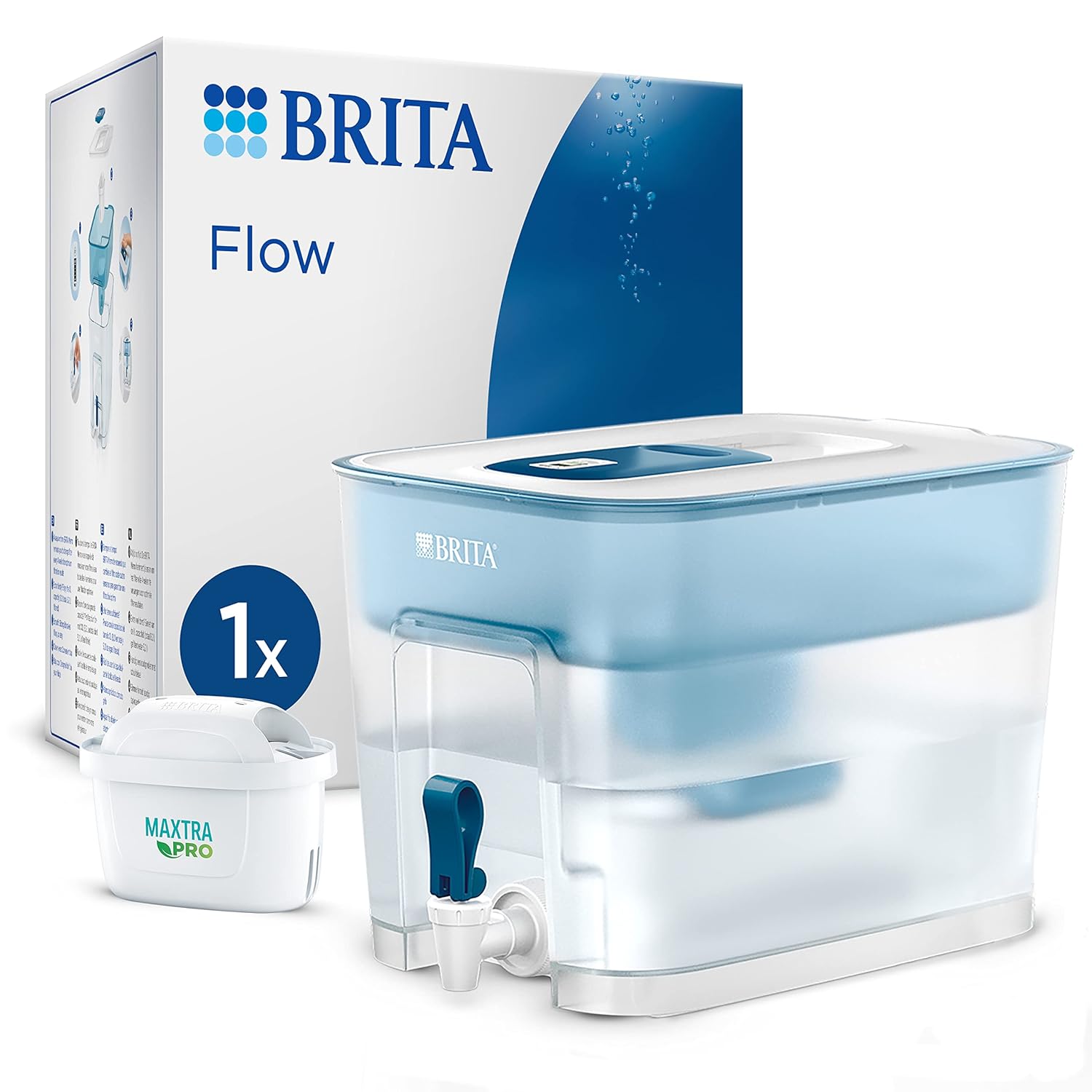
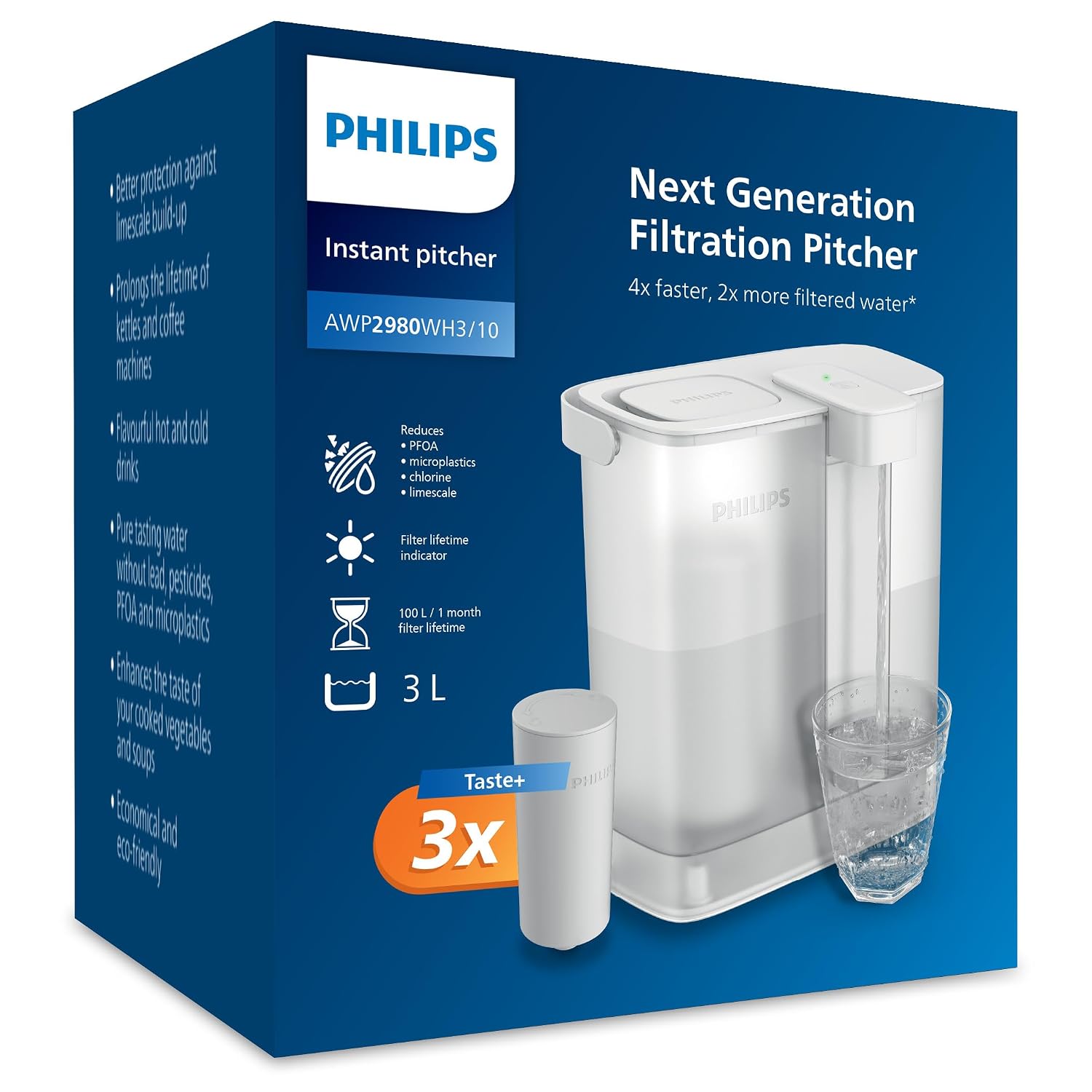
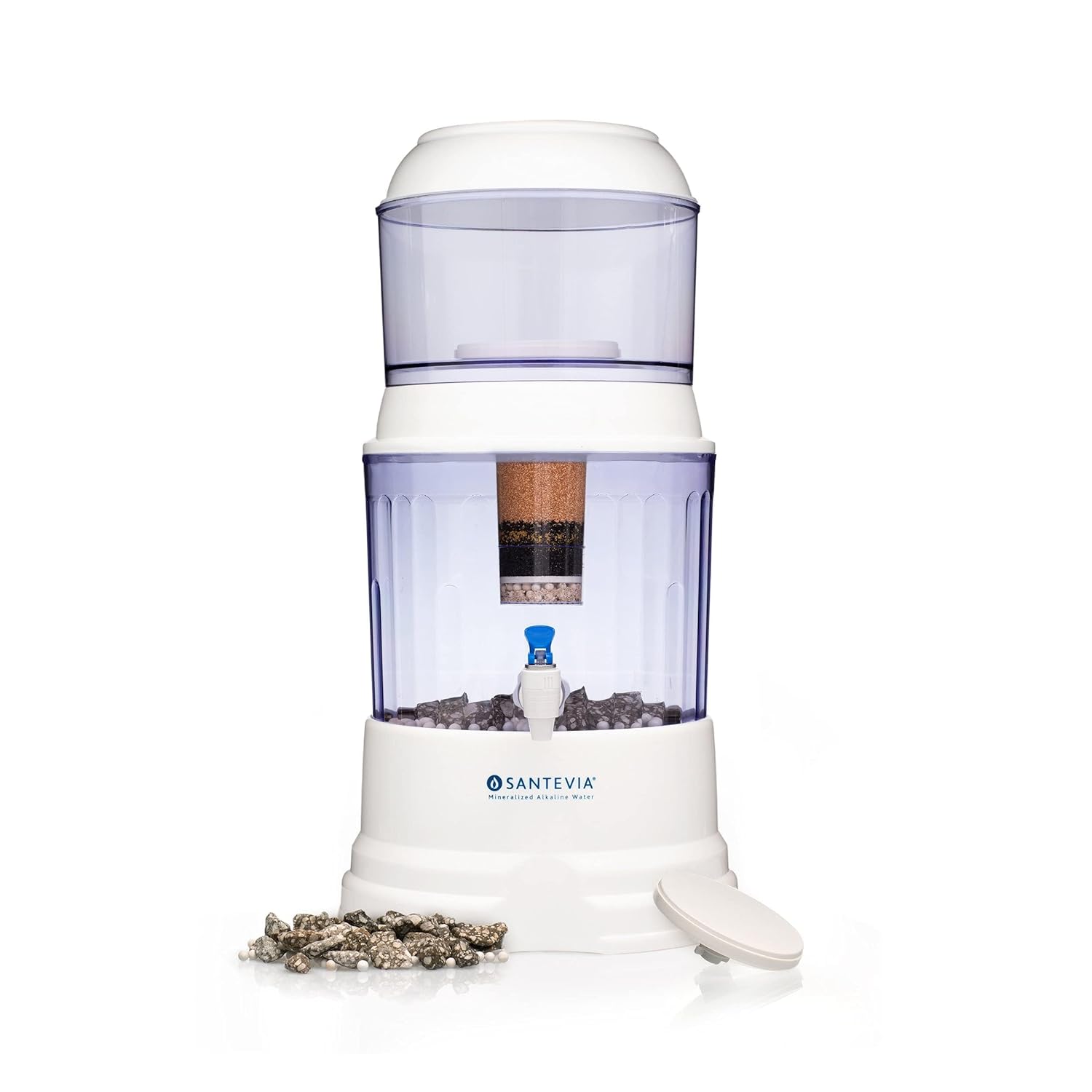
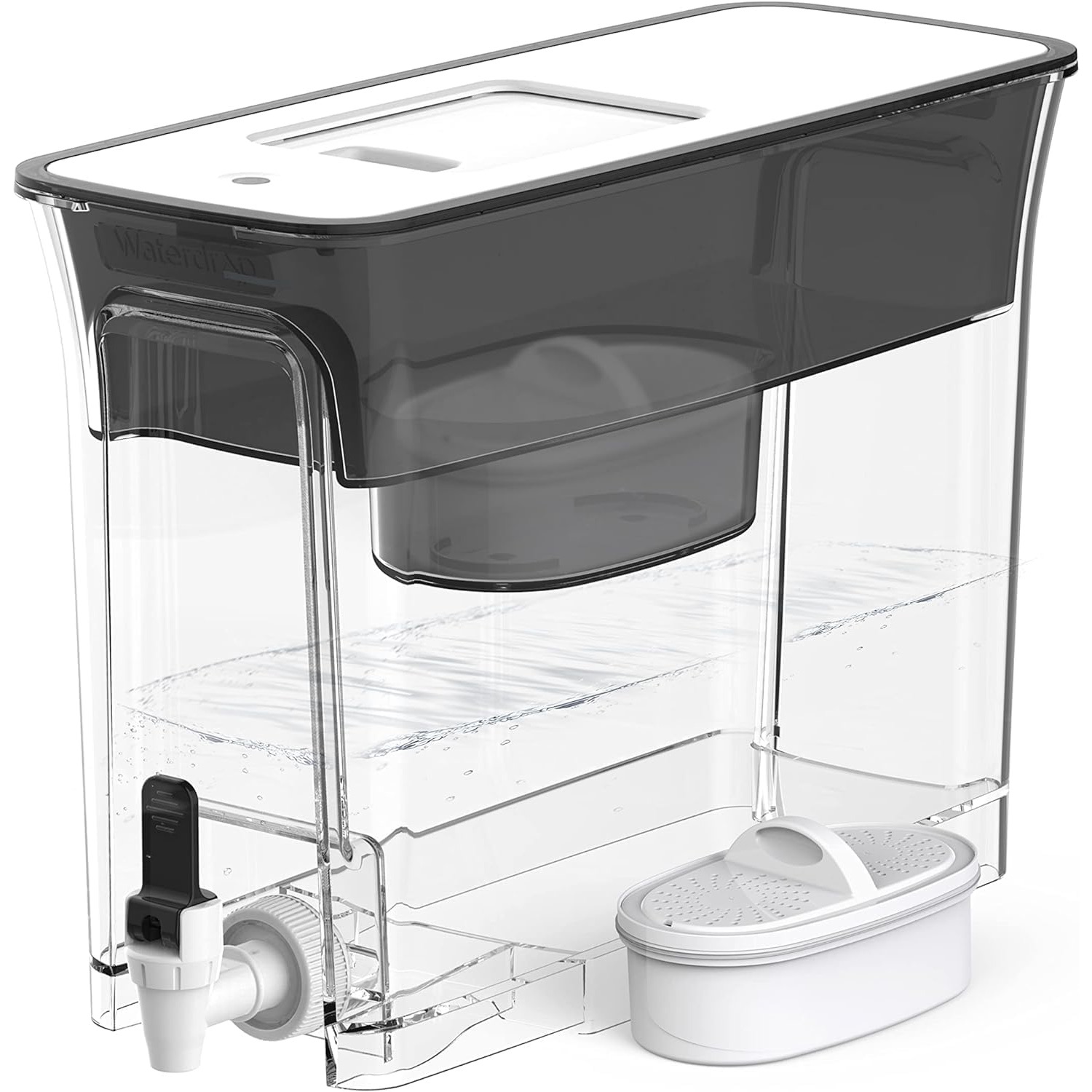
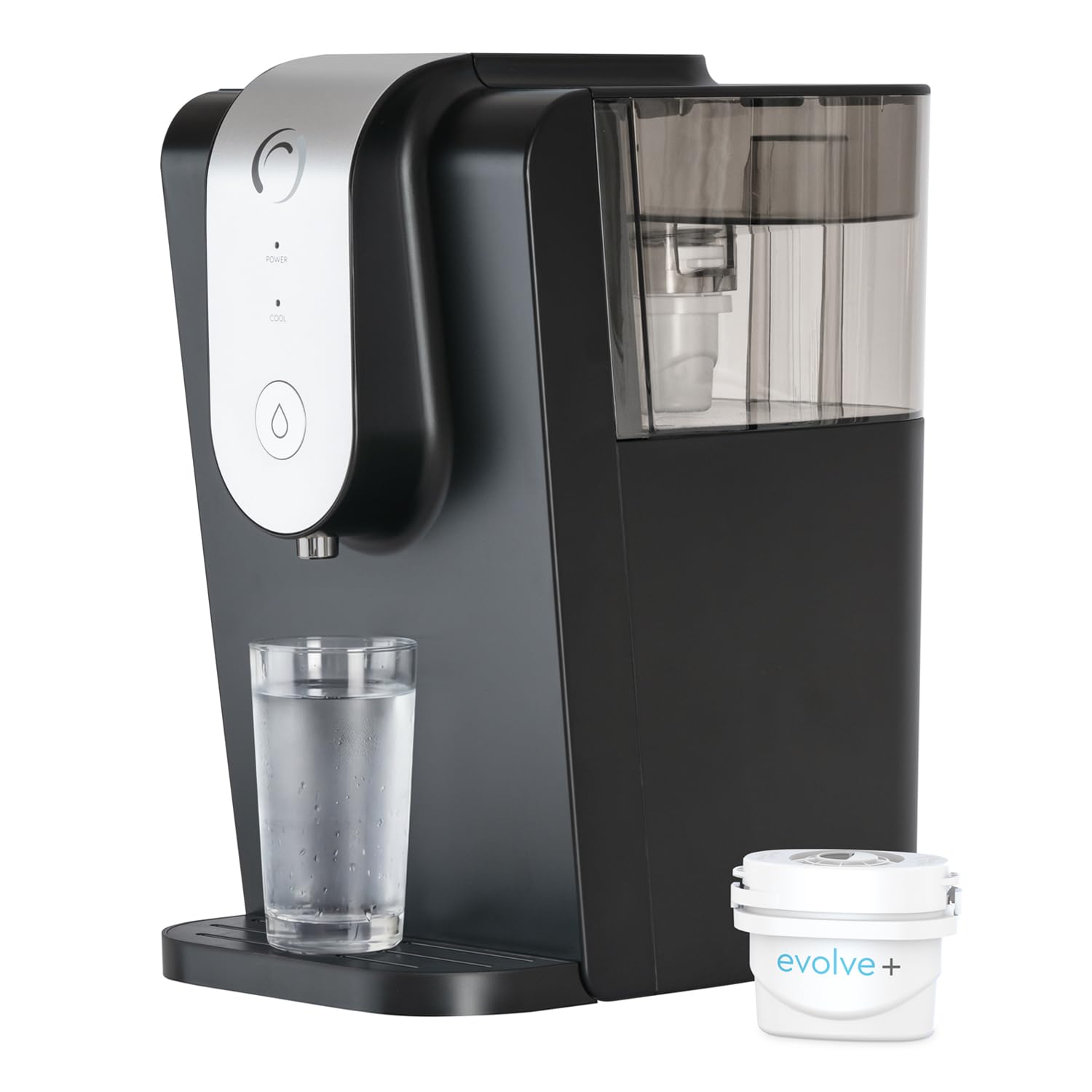
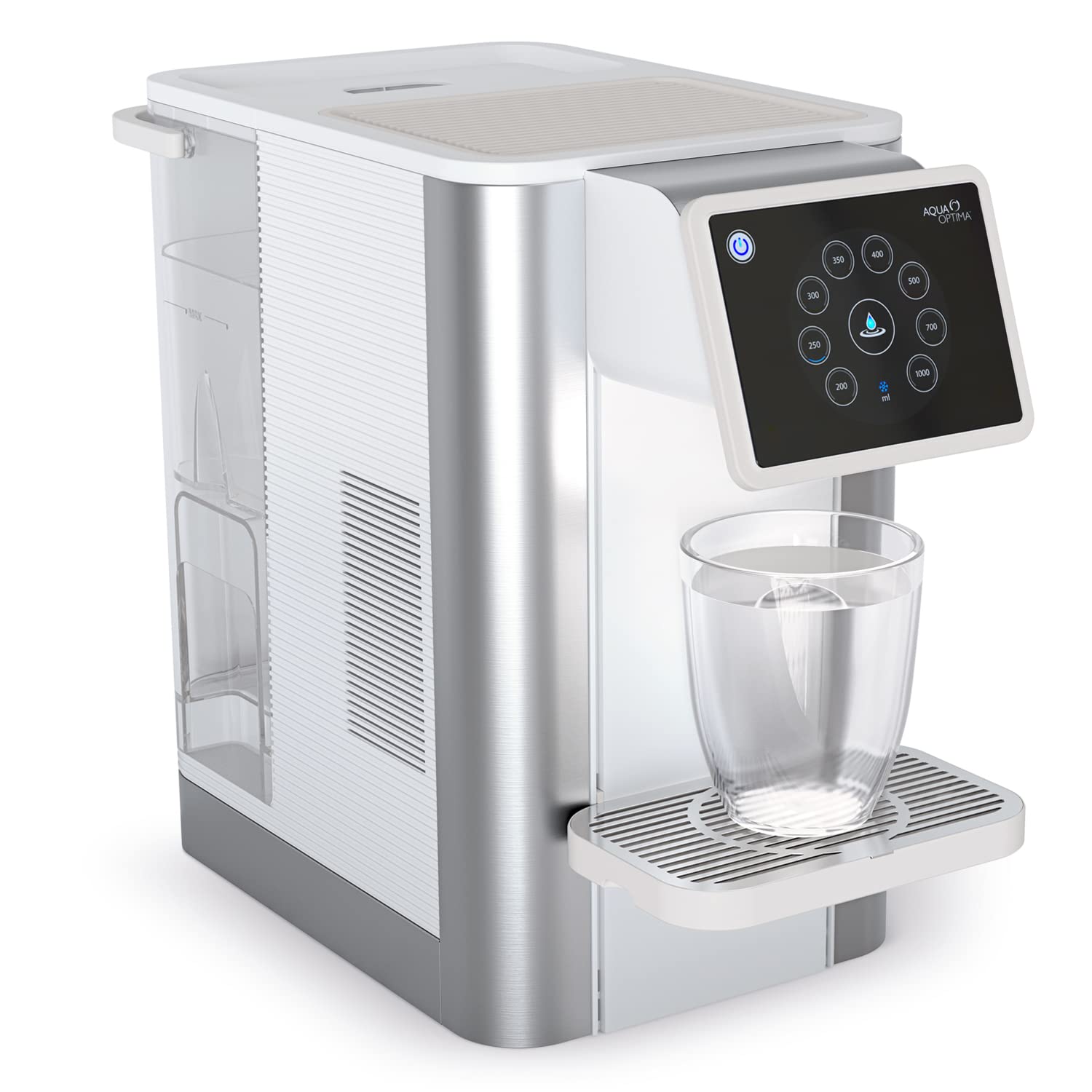
A jug is the right answer far more often than the industry would like to admit. It costs least, has nothing to fail, uses no electricity and fixes the most common complaint. Move up when you have a specific reason: capacity, if you are refilling several times a day; a dispenser with a tap, if lifting a full jug is a nuisance; a chilled or heated machine, if you want to free up a fridge shelf or retire the kettle; reverse osmosis, if you are targeting substances carbon cannot reach.
And measure. More filters get returned for not fitting a fridge door or a worktop than for filtering badly. Every product page here lists dimensions, and for the fridge-shelf models we have included the manufacturer's own clearance guidance.
What none of these will do
No jug, dispenser or countertop machine treats your whole house. Scale in your boiler, shower and washing machine comes from the mains supply and is untouched by anything you pour into a container — that is a plumbed-in softener's job. Filters also do not make unsafe water safe; they refine water that is already treated. If you have a genuine supply concern, contact your water company, not a shop.